Steve and Barbara Mendell Graduate Fellowship in Cultural Literacy
The Steve and Barbara Mendell Graduate Fellowship in Cultural Literacy was established in 2006 by a generous gift from Steven and Barbara Mendell. Mr. Mendell is a life-time member of the UC Santa Barbara Foundation since 1983, serving as its Chair in 2003-05. Believing that it is the responsibility of liberal arts institutions to support scholarship and teaching that advance a civil society, the endowment was established to encourage discussion and debate relating to the compelling questions of ethics and values in contemporary public life, and with particular attention to how these questions might be informed by knowledge of history and cultural traditions.
Consistent with the goals of the Capps Center, the endowment supports one or more fellowship stipends each year for outstanding graduate students in the College of Letters and Science at UCSB (Humanities and Fine Arts, Social Sciences, Science) whose research or programs of study advance the goals of broad-based cultural literacy and high ethical standards in our participative democracy.
Although the scope of possible research topics for funding is wide, all such topics must relate to some aspect of contemporary values and ethics in the public sphere, such as the importance of civility, appreciation for pluralism and human rights, understanding better how public issues are framed, ways in which social conflict is resolved, improving and extending democratic practice, and the role of public humanities generally in society. Support may be provided for dissertation fellowships, supplemental fellowships, summer stipends, or for special research projects.
Mendell Fellows are an important part of the Capps Center community. Accordingly, Fellows are expected to participate in quarterly gatherings for professionalization workshops and sharing research, and to contribute to the intellectual life of the Center, such as attending our events.
Only doctoral students who have advanced to PhD candidacy by the application deadline are eligible to apply. Applicants must have either registered student status or approved research leave of absence, both at the time of application and for the duration of the fellowship. The fellowship year lasts from July 1 to June 30, and awards may not be deferred beyond the specified period. Fellowship recipients are allowed to hold other campus fellowships or employment during the tenure of their fellowship.
Applications for the 2026-2027 Mendell Graduate Fellowship are open until May 1, 2026.
You may find application materials here.
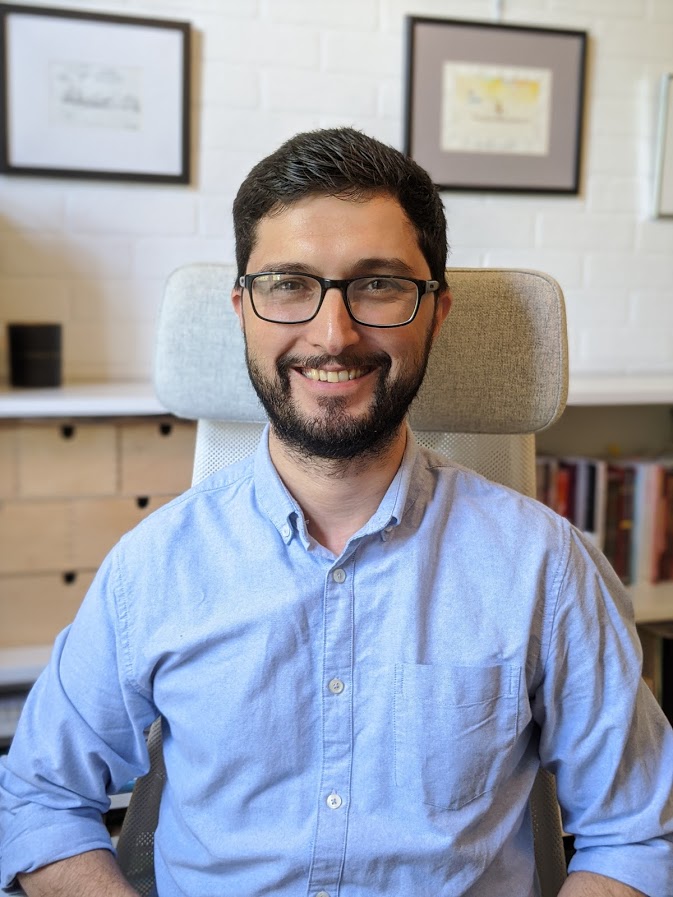
I had the privilege of receiving the Mendell Fellowship to conduct research in Turkey.
The fellowship's objective of advancing the goals of broad-based cultural literacy
and participative democracy aligned with my research, which investigated popular
movements for democratization in Turkey after the historic Gezi Park protests
in 2013. Thanks to the fellowship, I could expand the scope of my field research
and interviewed members of multiple groups that often fell outside the scope
of researchers. While the movements that had been part of my research faced
significant backlash, my research remains a testimony of the aspirations
and disappointments of these critical moments -- thanks to Steve and Barbara Mendell.
I am also thankful for the fellowship as an international student, as it significantly
helped me to finish my Ph.D. in a timely manner. That has allowed me
to accept a position in the Department of Sociology at the John Abbott College
in Montreal, where I teach on social conflict, activism, and democratic practice.
~ Onur Kapdan (PhD, 2018), Assistant Professor of Sociology, John Abbott College
Recipients of the Steve and Barbara Mendell Graduate Fellowship in Cultural Literacy:
2026-2027
Tannishtha Bhattacharjee, "Vernacular Infrastructures: Post-Partition Rehabilitation, Religion and Citizenship in India’s North-eastern Frontier 1947-72" (History)
Graham Feyl, "An Open Weave: Pride Flags, Crafted Embodiment, and Queer Textile Politics, 1978-2000" (History of Art and Architecture)
Yuri Fraccaroli, "'Well, Democracy Never Arrived for Us': LGBTQ+ Archives, Redemocratization, and Reparation in Latin America" (Feminist Studies)
Alex Lilburn, "Relational Techniques: A History of Media Practice in the Osage Nation" (Film and Media Studies)
Alexander Luckmann, "Building Catholic Modernity: Architecture, Settlement, and Religion in Cologne, 1919-60" (History of Art and Architecture)
bridge mcwaid, "The Sea and Its Fish: A History of Palestine" (History)
2025-2026
Kendall Lovely, "Amazons, Anthropology, and Ancient Origins: Classical Antiquity as Inspiration in the Museum Anthropology of the American Southwest" (History)
Alexandra Noi, "Socialist Carceral Eugenics: The Practices of Incarceration and Performances of Human Plasticity in the Soviet Union and China" (History)
Shakir Stephen, "Working Between Worlds: Evangelical Professional Organizations and Constructions of Cultural Conflict" (Religious Studies)
Ramsha Usman, "'Will a Worker's Injury Ever Be Considered an Injury?' Injury and Disability Politics in a Changing Workers' Movement" (Anthropology)
2024-2025
Gokh Amin Alshaif, "Native Outsiders: The Black Muhamasheen of Yemen" (History)
Claudia Ankrah, "'Sometimes the Dead Go Unburied': Deconstructing the Colonial Legacies of Museology on Ghana, c. 1830s" (History)
Sabra Harris, "The Separation of Indigenous Rights and Ainu Culture in Contemporary Japan: Museums, Art, and the Place of Politics" (East Asian Languages & Cultural Studies)
Kelsey Moore, "Retracing Internment: Media, Memory, and Archival Dispositions of the Japanese American Incarceration" (Film & Media Studies)
2023-2024
Jéssica Malinalli Coyotecatl Contreras, "Sovereign and Deadly Energy Transition: Communal Life against Extractivism in Mexico" (Anthropology)
Sarah Dunne, "The Migrating Queer Bookshelf: Queer Bookstores and the Making of Queer Communities in the United States and Canada, 1945-Present" (History)
Daigengna Duoer, "Buddhism Beyond the Nation and the Empire: Transnational Geluk Buddhism in Modern East and Inner Asia" (Religious Studies)
Karla Larrañaga, "Venerations in Cyberspace: Chicanx Popular Catholicism, Latina Feminist Theology, and the Digital Transformation of La Virgen de Guadalupe’s Altar" (Chicana & Chicano Studies)
Heath Pennington, "Kink Trouble: BDSM, Intimacies, and Inequalities" (Theater & Dance)
Salma Shash, "'Umdas, Villagers, and Criminals: Law and Justice in Modern Egypt (1850-1914)" (History)
2022-2023
Gehad Abaza, "'We Built It Bit by Bit': Homemaking, Exile, and Statecraft in Abkhazia" (Anthropology)
Melanie Brazzell, "What Really Makes Us Safe? From Carceral Feminism to Transformative Justice for Gendered Violence" (Sociology)
Addie Jensen, "Blowin' in the Wind: Media, Counterculture, and the American Military in Vietnam" (History)
Somak Mukherjee, "Elemental City: Ecology, Media, and Narratives of Crisis in Postcolonial Calcutta" (English)
Aili Pettersson Peeker, "Other I's: Rethinking Empathy through Narrative and Neuroscience" (English)
Mattie Webb, "Diplomacy at Work: The South African Worker and the Sullivan Principles on the Shop Floor (1972-1987)" (History)
2021-2022
Brett Aho, "Towards a More Ethical AI Capitalism: Data Governance in Germany" (Global Studies)
Nicole de Silva, "From Homemaking to Peacemaking: Women’s International Organizing and the Practice of Consumer Diplomacy 1918-1945" (History)
Olga Faccani, "Rising from the Ashes of Troy: The Trojan Women Project" (Classics)
Amy Fallas, "The Gospel of Wealth: Charity and the Making of Modern Egypt 1879-1939" (History)
Janna Haider and Emma John, "‘Educating and Americanizing the Foreigner’: The Daughters of the American Revolution and Immigration Policy in the Early Twentieth Century" (History)
Benjamin Jameson-Ellsmore, "Hackerspace and Urban Life: Architecture, Infrastructure, and Citizenship in the Twenty-first Century" (History of Art & Architecture)
Julie Johnson, "Commodifying Contraception: A Political Economy of Sex in Interwar Britain" (History)
Mariah Miller, "Social Enterprises in Three Institutional Systems: Comparing China, Spain, and the USA" (Global Studies)
Kendall Ota, "Relocating Risk: Cruising the Korean Spa in Los Angeles and South Korea" (Sociology)
Cierra Sorin, "Epistemologies of Consent in BDSM Communities" (Sociology)
Morgane Thonnart, "Community, Authority, and Identity through Halal Comedy: A Comic Imagery/Imaginary of American Islam" (Religious Studies)
Anna Wald, "Digital Disidentifications: Affective Circuits of Meme Exchange, Viral Counterpublics, and Queer Ironic Consumption" (Feminist Studies)
Teng (Jason) Xu, "Love the Nation, Love the People: Aesthetics of Chinese Nationalism in the Xi Jinping Era" (East Asian Languages & Cultural Studies)
Xiuhe Zhang, "A Taste of Rust: Abandonment, Migration, and Competing Imaginations of the Northeast in Post-Reform China" (Film & Media Studies)
2017-2018
Sasha Coles, "Silk Worlds, Women's Work, and the Making of Mormon Identity, 1852-1906" (History)
Caitlin Rathe, “Food Assistance Policies and the Transformation of the Public/Private Welfare State in the U.S. and Britain, 1972-1988” (History)
2016-2017
Cheryl Frei, “Shaping and Contesting the Past: Monuments, Memory, and Identity in Buenos Aires” (History)
Elizabeth Ann Weigler, “The Lives We Tell: Sikh Identity and Collective Memories of the Great War in Britain” (Anthropology)
2015-2016
Haddy Kreie, “Slavery and the Emergence of Vodun” (Theater & Dance)
Chandra Russo, “Solidarity Witness: Resistance, Cultural Politics and the US National Security State” (Sociology)
Onur Kapdan, “Gezi Park Protests and 21st Century Radical Social Change” (Sociology)
2014-2015
Martha Smith Roberts, “Spectacular Flesh: American Religious Pluralism and the Cultural Politics of Bodily Display” (Religious Studies)
Lindsay Vogt, “New Water in New India: How Does IT Sector Philanthropy Re-Cast Water and Citizenship?” (Anthropology)
2013-2014
Kristy L. Slominski, “An American Religious History of Sex Education” (Religious Studies)
Samaneh Oladi Ghadikolaei, “Sacred Activism: Reformation of Islamic Family Law” (Religious Studies)
Thuy N. D. Tran, “A Defining Moment: The Avant-gardes of Saigon, 1954-1975” (History of Art & Architecture)
Zamira Yusufjonova, “The Bolshevik Emancipation of Muslim Women in Tajikistan, 1924-1982: What Went Wrong?” (History)
2012-2013
Quentin Gee, “The Non-Transferability of Democratic Process: Moral Patiency, Corporations, and Lobbying” (Philosophy)
Carly Thomsen, “‘I’m Just Me’: Challenges to the Discourses and Ideologies of Gay Rights Organizations from LGBTQ Women in the Rural Midwest” (Feminist Studies)
2011-2012
Maria N. Corrigan, “Eccentricism in Art and Politics: Soviet Cinema Revisited” (Film & Media Studies)
Michelle D. Kendall, “Staged Identity: Martinican and Guadeloupian Theatre” (French & Italian)
2010-2011
Jose Anguiano, “Re-Sounding America: Examining Affect and Community in Latino Music Practices” (Chicana/o Studies)
Jenna Gray-Hildenbrand, “Negotiating Authority: The Criminalization of Religious Practice and the Influence of the Law on Religion in the United States” (Religious Studies)
Neda Maghbouleh, “Dual/Duel Subjectivities in Diaspora: Cultural and Political Challenges to Neo-Assimilation by Iran-American Youth” (Sociology)
(Mimi) Thu Khúc, “Inheritance: Race, Religion, and the Vietnamese American Second Generation” (Religious Studies)
2009-2010
Kristen Abigail Shedd, “Religion, Communism, and the Religiously Unorthodox in Cold War America” (History)
Brooke Neely, “Contested Knowledge: Cultural Memory, Land Use, and Racial Politics in the Black Hills” (Sociology)
Colleen Windham, “Being Born and Born Again: The Horizon of Birth in Individual and Collective Experience” (Religious Studies)
2008-2009
Evan Berry, “Devoted to Nature: Secularization, Spirituality, and Environmentalism in America” (Religious Studies)
Stephanie Stillman, “Remembering Columbine: The Network, Labor, and Haunting of an American Memory” (Religious Studies)
TESTIMONIALS

The Mendell Fellowship funded the last major fieldwork trip for my dissertation research on religion and secularism in the United States, allowing me to spend several weeks traveling throughout the South, revisiting research sites, and conducting additional interviews and observations with the people and organizations at the center of the project. More than anything, the fellowship gave me the opportunity to bring together several years of research and add a depth to the dissertation that otherwise would have been difficult to achieve. That trip helped me round out the picture of the communities I was working with and produce a richer account of them in the dissertation. Just as valuable was the cohort that came with the fellowship. I’m thankful for the thoughtful feedback I received from the group throughout the year, and the professional development workshops that helped demystify parts of the academic job market, from application materials to interviewing. Those experiences helped me complete my dissertation and prepare for the next stage of my career. In fall 2026, I will join the Department of Religion at Middlebury College where I will teach courses on American religion. ~ Shakir Stephen (PhD, 2026), Visiting Assistant Professor of Religion, Middlebury College

The Steve and Barbara Mendell Fellowship in Cultural Literacy facilitated several aspects of my final year at UC Santa Barbara. It paid for research trips to museums in San Francisco, Santa Fe, and Chicago toward my dissertation research. I had busy fall and winter quarters, with conferences and job interviews having me travel monthly. The Fellowship eased gaps in funding for all of this travel. The rest of the funding has gone toward supporting my digital exhibition project, where I was able to pay for website costs through another year and also new additions to the exhibition, which will go live later this summer. My ongoing digital exhibition project can be viewed at www.redcoralstories.com. I am grateful for the support from this fellowship as I wrapped up this digital project and my dissertation. I will next go on to a joint appointment as Assistant Professor of Native American Studies at the University of New Mexico and Curator of Contemporary and Historical Indigenous Collections and Maxwell Museum of Anthropology. ~ Kendall Lovely (PhD, 2026), Assistant Professor of Native American Studies at the University of New Mexico and Curator of Contemporary and Historic Indigenous Collections at the Maxwell Museum of Anthropology

I was honored to receive the Steve and Barbara Mendell Graduate Fellowship in Cultural Literacy in 2024-25. My dissertation examines the visual archives of Japanese American incarceration alongside their sociopolitical and transgenerational implications, and this fellowship supported archival research at the National Archives and Records Administration (NARA) and the Eastern California Museum, which houses records on the Manzanar incarceration camp and the development of its contemporary interpretive center. Thanks to these essential trips, I will be able to successfully complete two chapters of my dissertation over the coming months. I am additionally grateful for the scholarly community that this fellowship has fostered. It was such a privilege to be in regular conversation with the members of my cohort and our Capps Center advisors, and the importance of this kind of shared space and support cannot be overstated. These discussions and attention to professionalization have already substantially influenced my preparedness to enter the academic job market, and I am so encouraged to know that the Mendell Fellowship has provided a system of support I may turn to for years to come. ~ Kelsey Moore (ABD), PhD Candidate in Film & Media Studies, UCSB
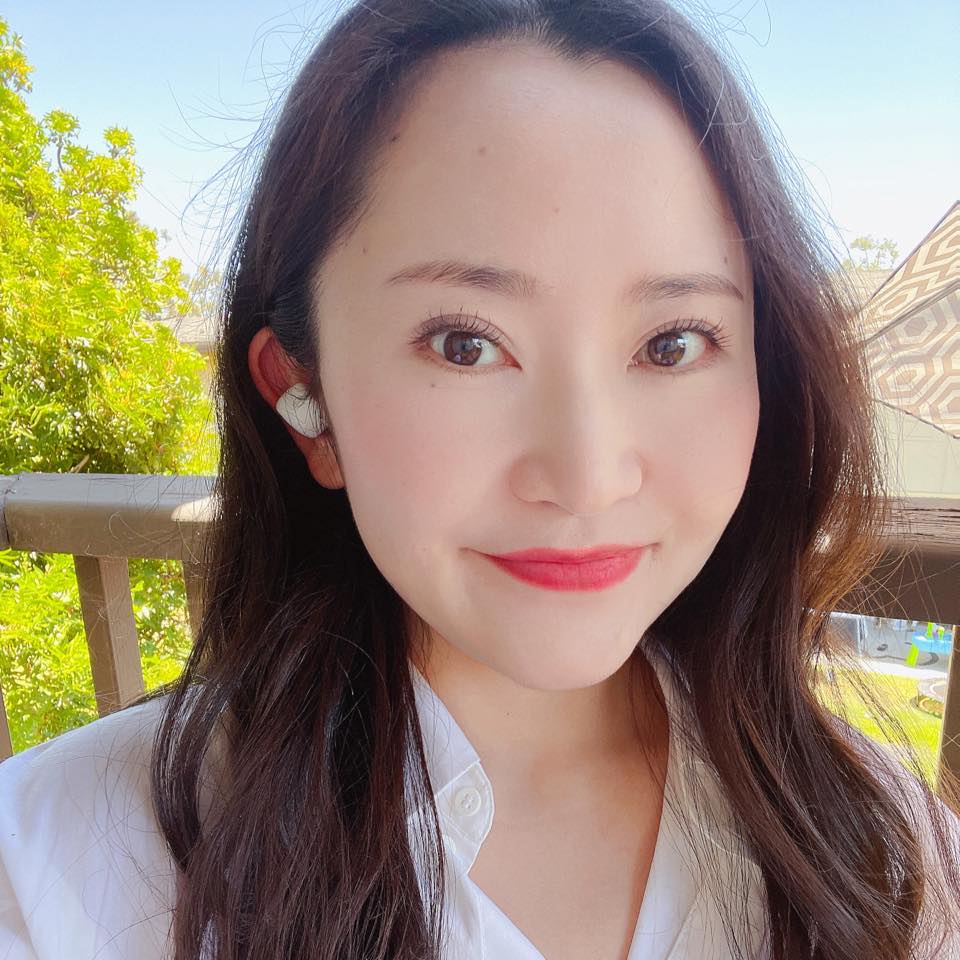
Receiving the Steve and Barbara Mendell Graduate Fellowship in Cultural Literacy has been a great privilege. During the 2023-24 academic year, the Fellowship provided crucial funding for my dissertation, “Buddhism Beyond the Nation and the Empire: Transnational Geluk Buddhism in Modern East and Inner Asia,” which explores transnational Buddhist network-making in modern Inner and East Asia that both supported and challenged the nation-building and empire-building efforts of modern China and Japan. The quarterly meetings with my cohort, which showcased innovative and diverse research, were immensely inspiring. As a junior first-generation international scholar on the job market, I benefited greatly from the professionalization workshops. With the generous support from the fellowship, I attended and presented new research at two international conferences, AAS-in-Asia and AAR, where I engaged in discussions on how the history of Buddhism in East and Inner Asia informs questions about religion’s relationship with colonialism, democracy, and knowledge production in the public sphere. Thanks to the support of the fellowship, I completed my Ph.D. program in a timely manner and accepted a tenure-track position in the Department of Religion at Boston University, where I will continue my research and teaching career as a historian of modern East Asian Buddhism. ~ Daigengna Duoer (PhD, 2024), Assistant Professor of Religion, Boston University
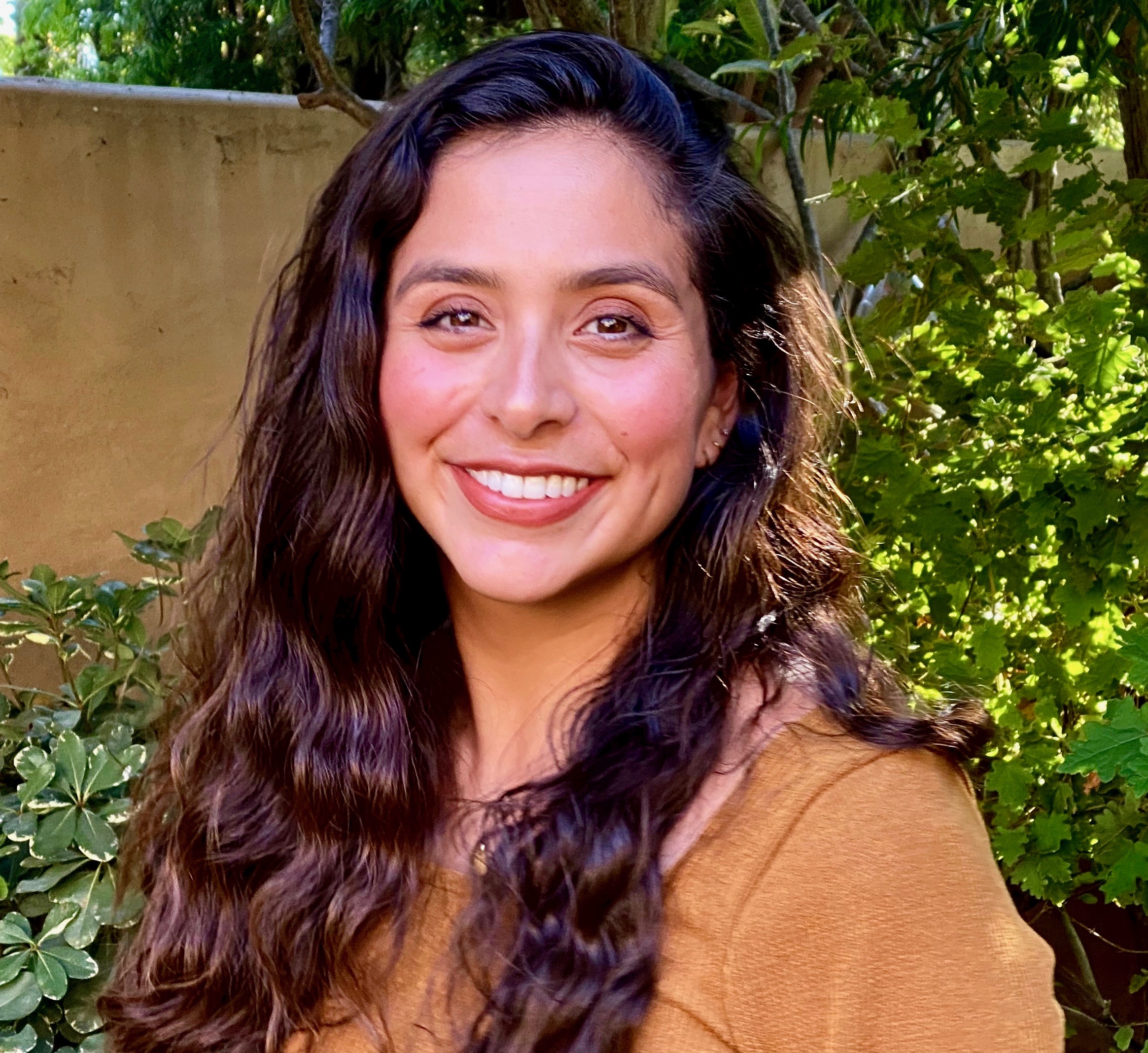
I could not be more grateful for the support I have received from the Steve and Barbara Mendell Fellowship in Cultural Literacy. In October, I used a portion of the funds from this fellowship to help pay for a research trip to Washington, D.C., where I visited the Recorded Sound Research Center at the Library of Congress. At the LOC, I listened to segments of news programs and entertainment shows that aired on the American Forces Vietnam Network (AFVN)-- a radio broadcast network that entertained the troops stationed in Vietnam. The time I spent at the LOC was enormously beneficial; I discovered crucial information about GIs' consumption of news occurring back in the United States and learned about their awareness and attitudes towards various countercultural movements (including the antiwar movement). Thanks to the support from the Mendell Fellowship, I was also able to devote a large portion of my fall quarter to fellowship and job market applications. My search ended successfully! Next year (2023-2024), I will complete my dissertation as an Ernest May Fellow in History and Public Policy at Harvard University. In the fall of 2024, I will begin my career as an Assistant Professor of Twentieth Century United States History at Montana State University in Bozeman, Montana. ~ Addie Jensen (PhD, 2024), Ernest May Fellow in History and Policy, Belfer Center for Science and International Affairs, Harvard Kennedy School
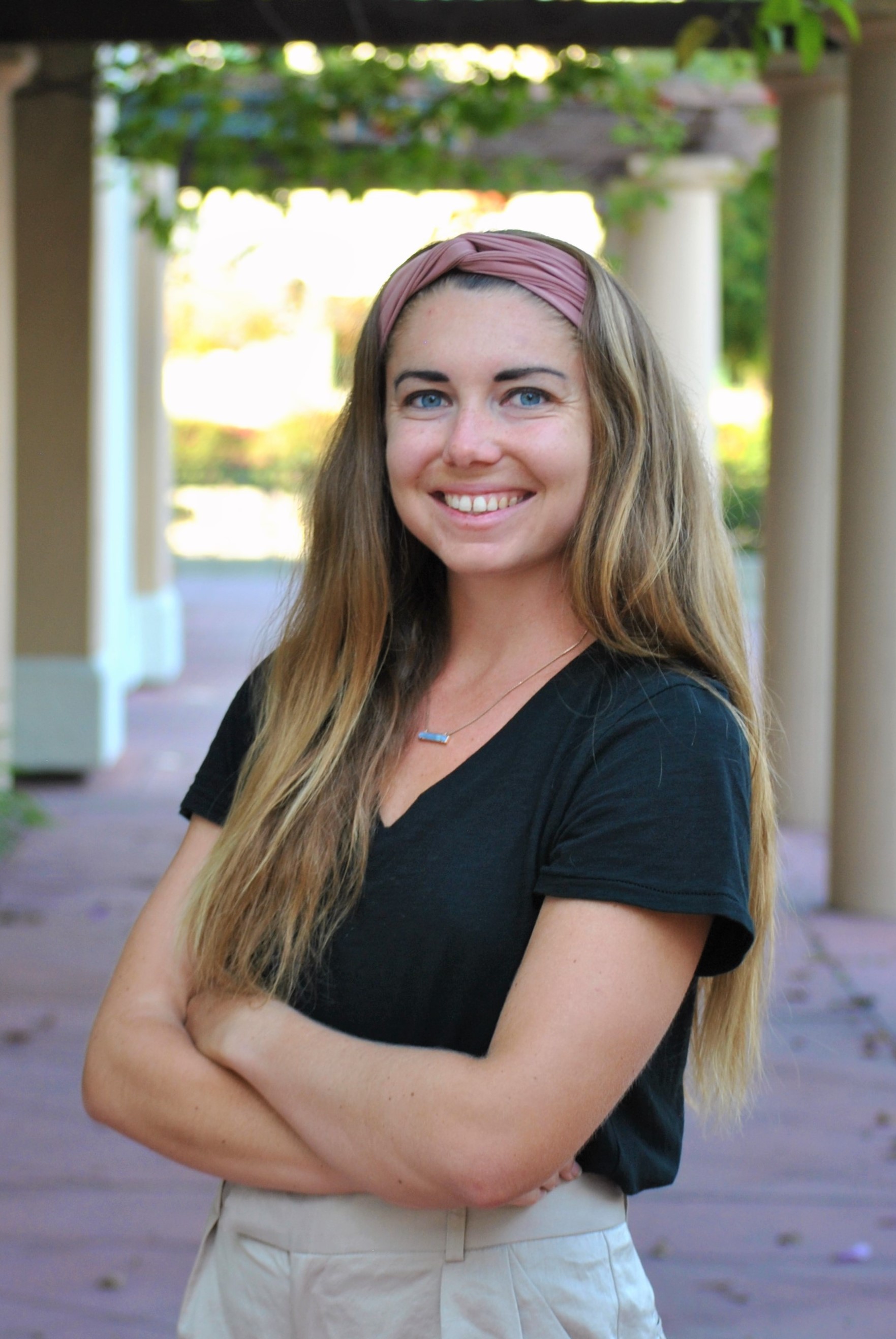
Thanks to the Mendell Graduate Fellowship in Cultural Literacy, I am happy to report that I was able to travel to Detroit and Ann Arbor, Michigan, to conduct archival research. I visited the Gerald Ford Library, the Bentley Library, and the Walter Reuther Library, using the funding to cover the costs of the plane ticket and lodging. This trip enabled me to complete two chapters of my dissertation, which I successfully defended in June of 2023. I just wanted to share my deepest appreciation for your support for my project, and UCSB graduate students more generally. I wrote a short article about my visit to the Reuther Library for Contingent Magazine, if you want to check it out: https://contingentmagazine.org/2022/11/22/a-postcard-from-detroit/. ~ Mattie Webb (PhD, 2023), Postdoctoral Associate, Jackson School of Global Affairs and International Security Studies, Yale Univeristy
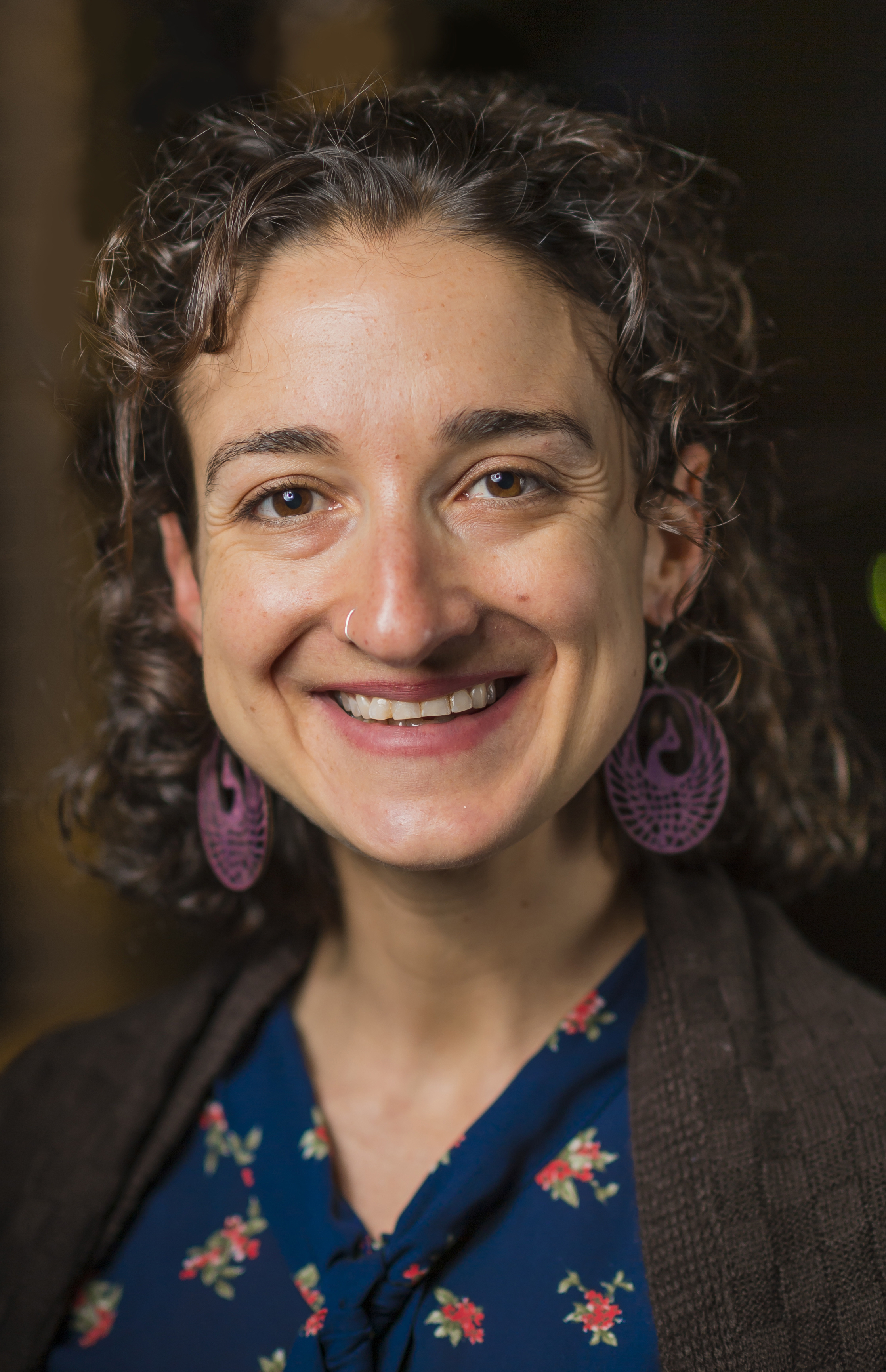
As a recipient of the Steve and Barbara Mendell Graduate Fellowship in Cultural Literacy during the 2015-2016 academic year, I was able to complete my dissertation and earn my PhD in Sociology. My Mendell-funded research examines how justice-seeking solidarity drives activist communities contesting US torture, militarism and immigration policies. This study became my first book, Solidarity in Practice: Moral Protest and the US Security State. ~ Chandra Russo (PhD, 2016), Associate Professor of Sociology and Anthropology, Colgate University
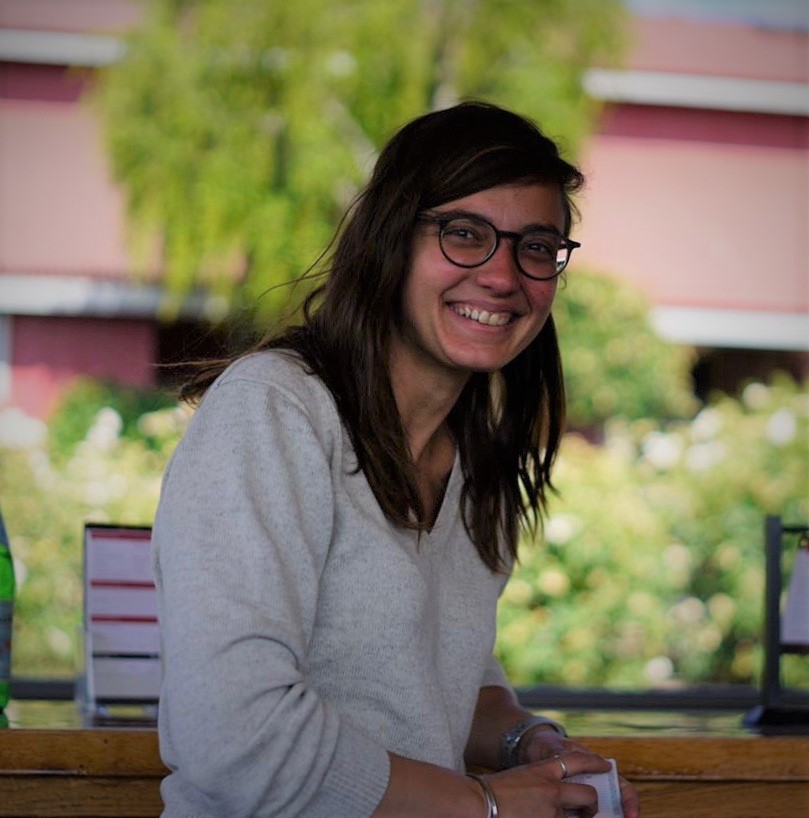
I received the Steve and Barbara Mendell Graduate Fellowship in Cultural Literacy in 2016-17. My dissertation project studied individual contributions to collective memories of the First World War during the Centenary, and the impact of heritage on collective identities broadly. However, the Mendells' generosity allowed me to work more closely with the Sikh community in the United Kingdom - to dedicate more time to volunteering for public projects as varied as history tours in Europe and Central London, slam poetry readings, and children's language programming. Thus, I was able not to just study the dynamics of memory production, but the research was more collaborative, more relevant to individuals' lived experiences and hopes for democratic impact, and it produced findings that were more useful for the initiatives I worked with. I want to thank the Mendells for their generosity, their commitment to bettering public life and civil society, and the impact that that ethos has had on my doctoral research. ~ Elizabeth Weigler (PhD, 2019), User Experience Researcher, AppFolio, Inc.